

Why Do German Turbo Engines Need More Care as Mileage Starts to Climb?
German turbo engines can be a lot of fun when they are healthy. They pull hard, feel responsive, and make smaller engines feel stronger than their size suggests. That quick response is part of the reason so many drivers enjoy BMW, Audi, Volkswagen, Mercedes-Benz, and Porsche turbo models.
As mileage climbs, though, these engines can become less forgiving. Heat, pressure, tight engine bays, direct injection, oil demands, and aging rubber parts all start to add up. The car may still drive well, but small service gaps can be more expensive than on a simpler engine.
Turbo Engines Run Hotter And Work Harder
A turbocharger uses exhaust energy to force more air into the engine. More air allows the engine to make more power, but it also means more heat and pressure. That extra load affects oil, coolant, gaskets, hoses, seals, and sensors.
German turbo engines are built for that kind of performance, but they still require proper care. Heat cycles slowly wear parts down. Plastic fittings become brittle. Rubber hoses harden. Seals can start to seep. Once the engine has higher mileage, those small changes can show up as leaks, warning lights, rough running, or loss of power.
Oil Quality Becomes Even More Important
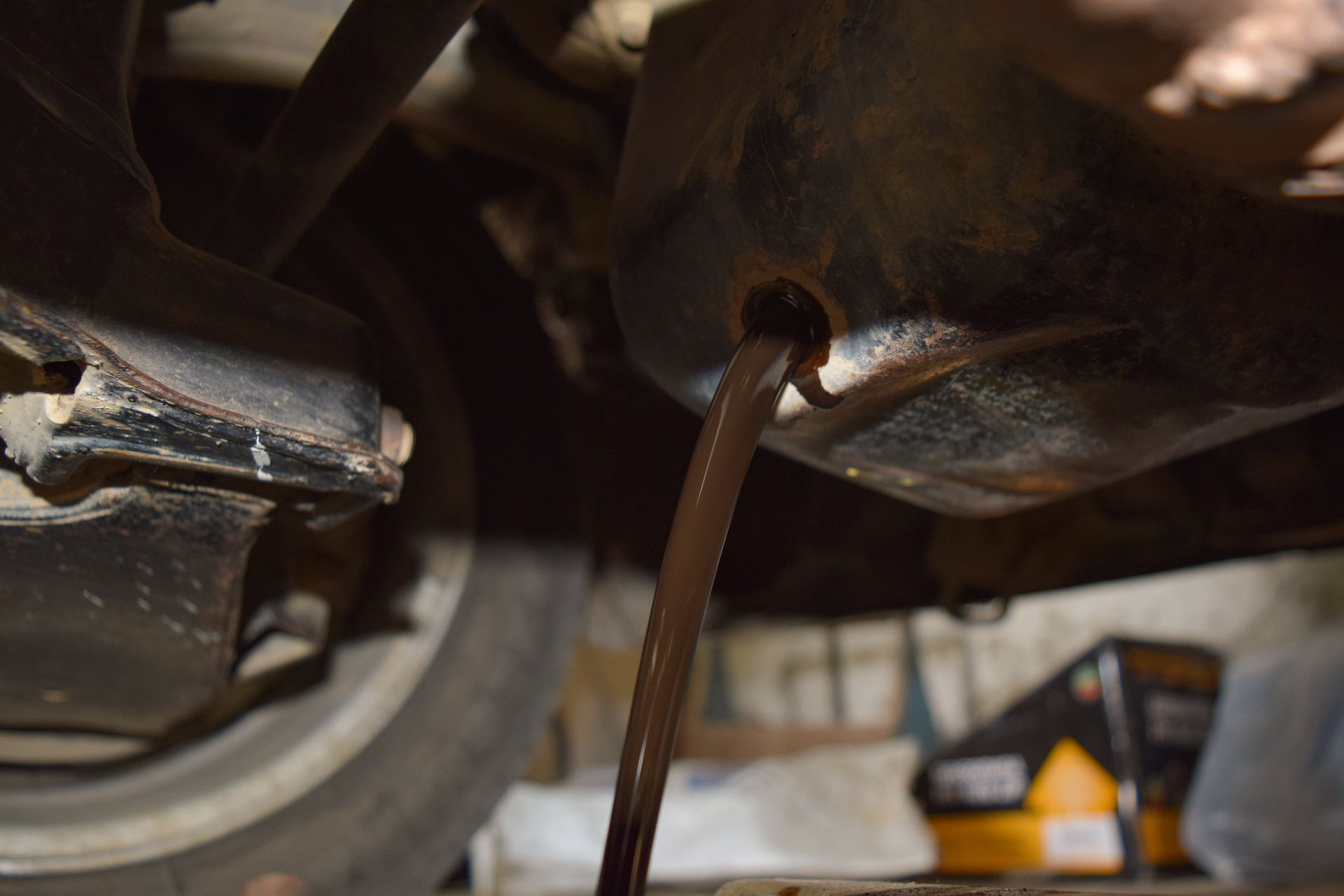
Turbochargers depend on clean oil. The turbo spins extremely fast, and its bearings need steady lubrication. Old, dirty, or low oil can damage the turbo and cause wear inside the engine simultaneously.
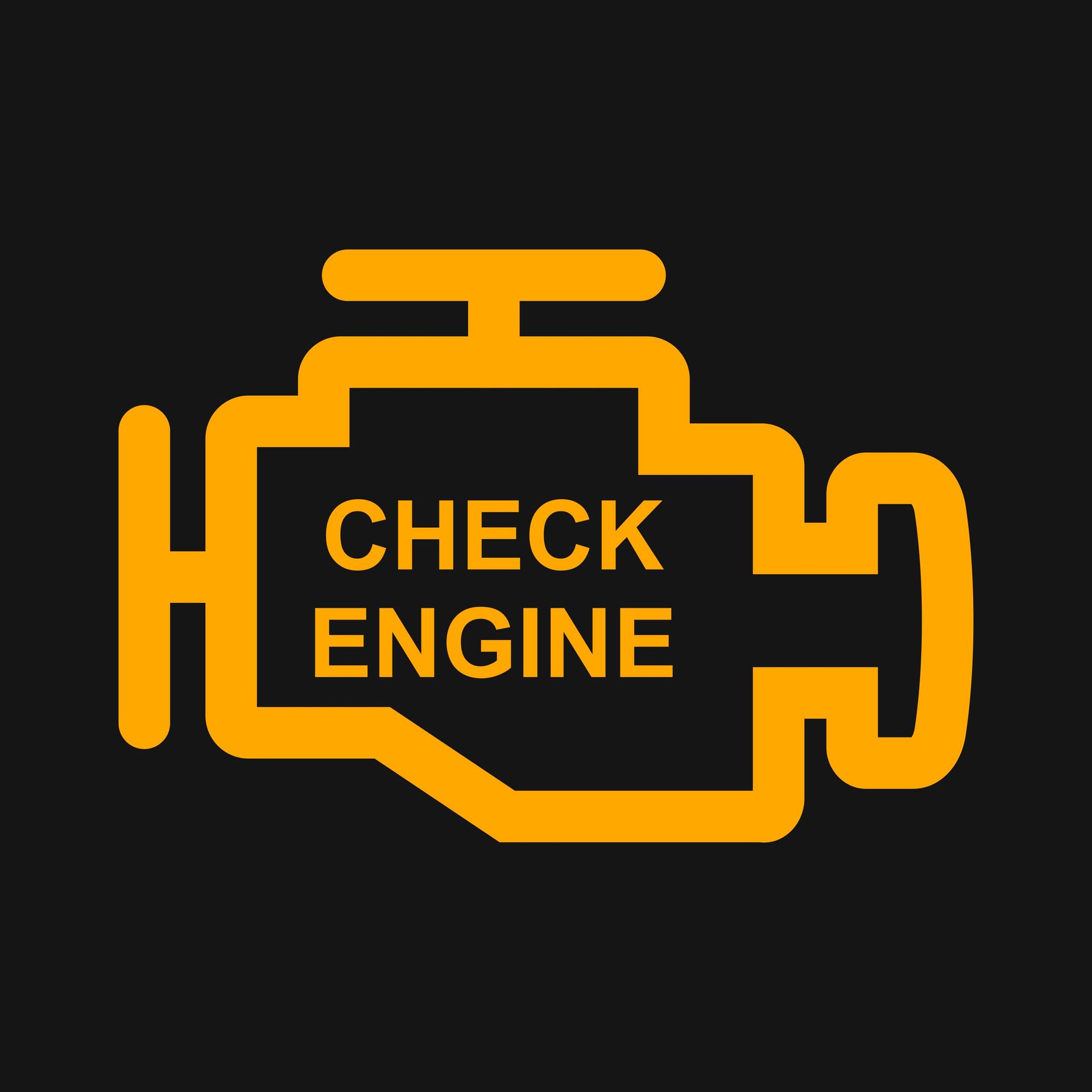
Many German engines also use oil to control variable valve timing and other internal systems. When oil is overdue, too thick, or of the wrong specification, those systems may not respond correctly. That can lead to noise, sluggish performance, timing faults, or check engine lights.
Regular maintenance matters here because the correct oil and filter are not optional details. The engine was designed around specific oil requirements. Using the wrong oil or stretching service too far can create problems that do not show up right away, but still shorten the life of expensive parts.
Cooling System Parts Age With Heat
German turbo engines are hard on cooling systems. The radiator, water pump, thermostat, expansion tank, hoses, fittings, and coolant seals all deal with high temperatures. Many of these parts are made of plastic or rubber, which age more quickly after years of heat exposure.
A small coolant seep can look harmless at first. You might see a faint crusty stain, smell coolant after parking, or notice the level dropping slightly. On a turbo engine, low coolant should not be brushed off. Overheating can quickly damage gaskets, cylinder heads, and turbo-related parts.
Cooling system service should include more than topping off the reservoir. The real question is why the coolant is low and whether the system can hold pressure.
Boost Leaks Can Steal Power
A boost leak happens when pressurized air escapes before it reaches the engine. That can come from cracked hoses, loose clamps, worn intercooler connections, leaking charge pipes, or damaged seals. The driver may notice weak acceleration, a whistling sound, poor fuel economy, or a check engine light.
Some boost leaks are obvious. Others only show up under load, when the turbo is building pressure. That is why a quick look under the hood may not be enough. Smoke testing, pressure testing, and scan data can help identify leaks that go undetected during normal idle.
A small boost leak can make the engine work harder than it should. It can also cause the computer to adjust fuel and timing in ways that affect performance.
Carbon Buildup Can Affect Direct Injection Engines
Many German turbo engines use direct injection. Direct injection improves power and efficiency, but it can also cause carbon buildup on intake valves over time. Since fuel is sprayed directly into the cylinder, it does not wash over the back of the valves the way it does in older port-injected engines.
Carbon buildup can cause rough idle, misfires, hesitation, poor fuel economy, and reduced power. It can feel like an ignition problem at first. Spark plugs or coils may still be involved, but carbon buildup is worth considering on higher-mileage direct injection engines.
The need for cleaning depends on the engine, mileage, driving habits, and symptoms. Short trips and long idle time can make the issue more noticeable.
Ignition Parts Work Under More Pressure
Turbocharged engines place more demand on spark plugs and ignition coils. Higher cylinder pressure makes it harder for the spark to fire cleanly, especially as plugs wear. A minor ignition weakness can cause a misfire during acceleration, even if the car idles fine.
That is why German turbo engines can be sensitive to plug condition, plug gap, coil quality, and the use of correct parts. A misfire should not be ignored. Unburned fuel can damage the catalytic converter, and repeated misfires can make the engine run rough enough to affect other systems.
If the check engine light flashes, ease off the throttle and have the vehicle checked soon. That warning usually means the misfire is active and more serious.
Small Leaks Deserve Attention Early
Oil leaks, coolant leaks, vacuum leaks, and boost leaks can start small. On a German turbo engine, small does not always stay small. Tight engine packaging can hide leaks until they drip onto hot parts, damage belts, or affect sensors and wiring.
A careful inspection helps catch valve cover leaks, oil filter housing leaks, coolant flange leaks, worn vacuum lines, and failing PCV parts before they become bigger repairs. Waiting until the smell, smoke, or warning light gets worse can make the repair more complicated.
Get German Turbo Engine Service In Rancho Cordova, CA, With Angelo's Performance Plus
If your German turbo engine has higher mileage, warning lights, oil leaks, coolant loss, rough idle, weak boost, or misfire symptoms, Angelo's Performance Plus in Rancho Cordova, CA, can help find the cause.