

6 Common BMW Problems to Look Out for When Buying a Used Car
Shopping for a used BMW can be a great move if you know what to check. These cars reward good care, yet a few patterns show up across models and years. Use this checklist during your search so you can separate a well-kept car from one that may need expensive work soon.
1. Oil Leaks at the Valve Cover and Oil Filter Housing
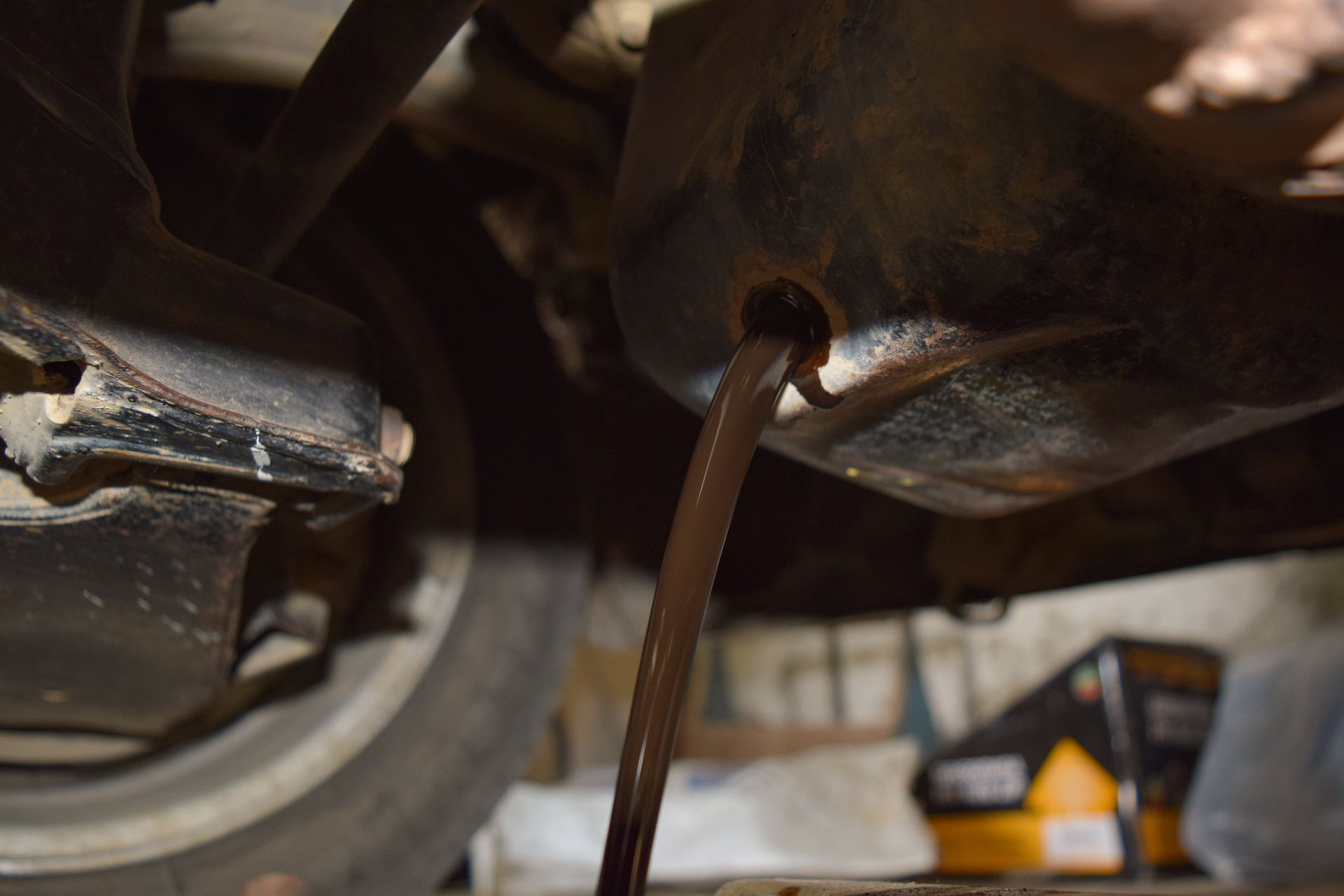
A warm oil smell after a drive, dampness around the valve cover, or oily residue under the oil filter housing are classic BMW clues. Heat and age harden gaskets, and once they seep, oil can reach the serpentine belt or rubber cooling hoses.
Look with a flashlight along the top of the engine and down the front where the housing meets the block. Light film is common on older cars; active wetness or spots on the driveway point to near-term repairs you should factor into the price.
2. Cooling System Weak Points
BMW cooling systems run hot for efficiency, which puts more stress on plastic parts. Water pumps, thermostats, expansion tanks, and quick-connect fittings are frequent offenders. On a test drive, watch for temperature warnings, slow cabin heat, or a sweet smell from the grille. After the drive, check for dried pink or white crust near hose junctions and the tank seam.
Ask when the pump and thermostat were last replaced. A recent service with quality parts is a good sign; a mystery history means you should budget for preventative work.
3. Timing Chain Guide and Tension Issues on Certain Engines
Some BMW engines can develop timing chain noise as guides wear or tension drops. A pronounced rattle at cold start that lasts longer than a moment deserves attention. You may also see cam timing fault codes or feel a lazy, uneven idle. Chains are designed to last, but long oil intervals or low oil levels speed up wear.
Listen on the first start of the day, and review service records for oil changes that match BMW specs and reasonable mileage. If the seller starts the car before you arrive, consider asking for a true cold start another day.
4. Carbon Buildup with Direct Injection
Direct-injected BMWs can collect carbon on intake valves because fuel no longer washes them clean. Symptoms include rough idle, hesitation on quick throttle, and a mild drop in fuel economy. You cannot fix this with additives alone. A service called walnut-shell blasting removes the deposits and restores smooth response.
During your inspection, ask about misfire history, intake cleaning, and PCV service. A car that idles smoothly from cold and pulls cleanly through the revs is less likely to need immediate attention.
5. Suspension Bushings, Control Arms, and Steering Feel
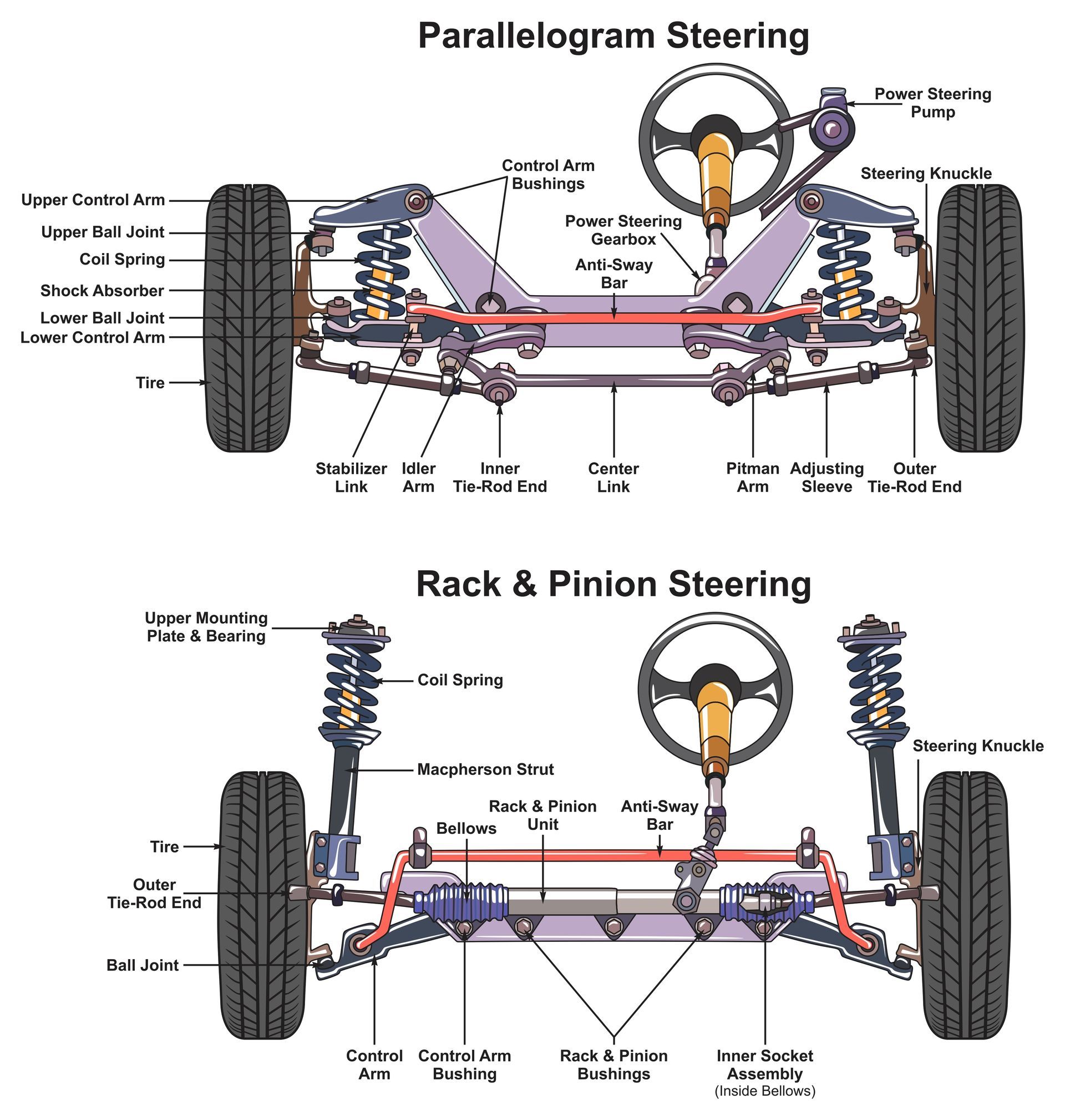
Heavier wheels, tight alignment specs, and rough pavement wear rubber bushings and ball joints faster than many shoppers expect. On your drive, feel for a clunk over sharp bumps, a shake in the wheel at highway speeds, or a steering wheel that sits off-center.
Uneven tire wear on the inner edges hints at alignment and bushing issues. After parking, inspect the front lower control arm bushings if they are visible; torn rubber indicates a refresh is due. Properly sorted suspension makes a BMW feel right, so this is worth prioritizing.
6. Electrical Gremlins and Battery Health
Modern BMWs rely on stable voltage. A weak battery or poor ground can trigger a cluster of odd warnings, from stability control to parking sensors. Window regulators and door lock actuators are other common wear items.
With the engine off, cycle windows, locks, mirrors, iDrive menus, and all exterior lights. On the road, watch charging voltage if the car displays it, and ask the age of the battery. A recent battery coded to the vehicle and clean service records suggest an owner who stayed ahead of problems.
Smart Steps During Your Test Drive
Start with a cold engine if possible. Let it idle and listen closely. On the road, vary speeds, try a long uphill, and do a few smooth stops from highway speed to feel for vibration that might point to warped rotors or wheel balance. After the drive, pop the hood and look again for fresh leaks or new smells.
Scan maintenance records for regular oil changes, coolant service, and documented fixes for the items above. A pre-purchase inspection that includes a scan for stored and pending fault codes is the best way to confirm what your senses are telling you.
Get Professional BMW Pre-Purchase and Repair in Rancho Cordova with Angelo’s Performance Plus
Found a BMW you like? Bring it to our Rancho Cordova team for a thorough pre-purchase inspection. We check known leak points, cooling system health, timing noise on cold start, suspension wear, electronics, and live data, then give you a clear report and real-world estimates.
Make your offer with confidence, or skip a headache before it starts.